
Quds Paints Industry was established in 1994. It started with two lines of products,Water-born Interior Walls putty and Cement-base tile adhesive.
Quds Paints Industry paints company in jordan
Eco-Friendly
Latest Peeling Paint Repair Solutions to Prevent It from Coming Back in 2026
Recent Post

Latest Peeling Paint Repair Solutions to Prevent It from Coming Back in 2026
- July 21, 2026
Causes of Paint Peeling and Cracking: Common Reasons and Effective Repair Solutions
Paint peeling and cracking are among the most common issues that affect the appearance of walls in both residential and commercial buildings. Besides negatively impacting the overall look, these problems may indicate improper surface preparation, the use of unsuitable materials, or even moisture-related issues that require proper treatment.
In this article, we'll explain the difference between paint peeling and paint cracking, discuss the most common causes behind each issue, and explore the best repair methods to prevent them from recurring.
What Is the Difference Between Paint Peeling and Paint Cracking?
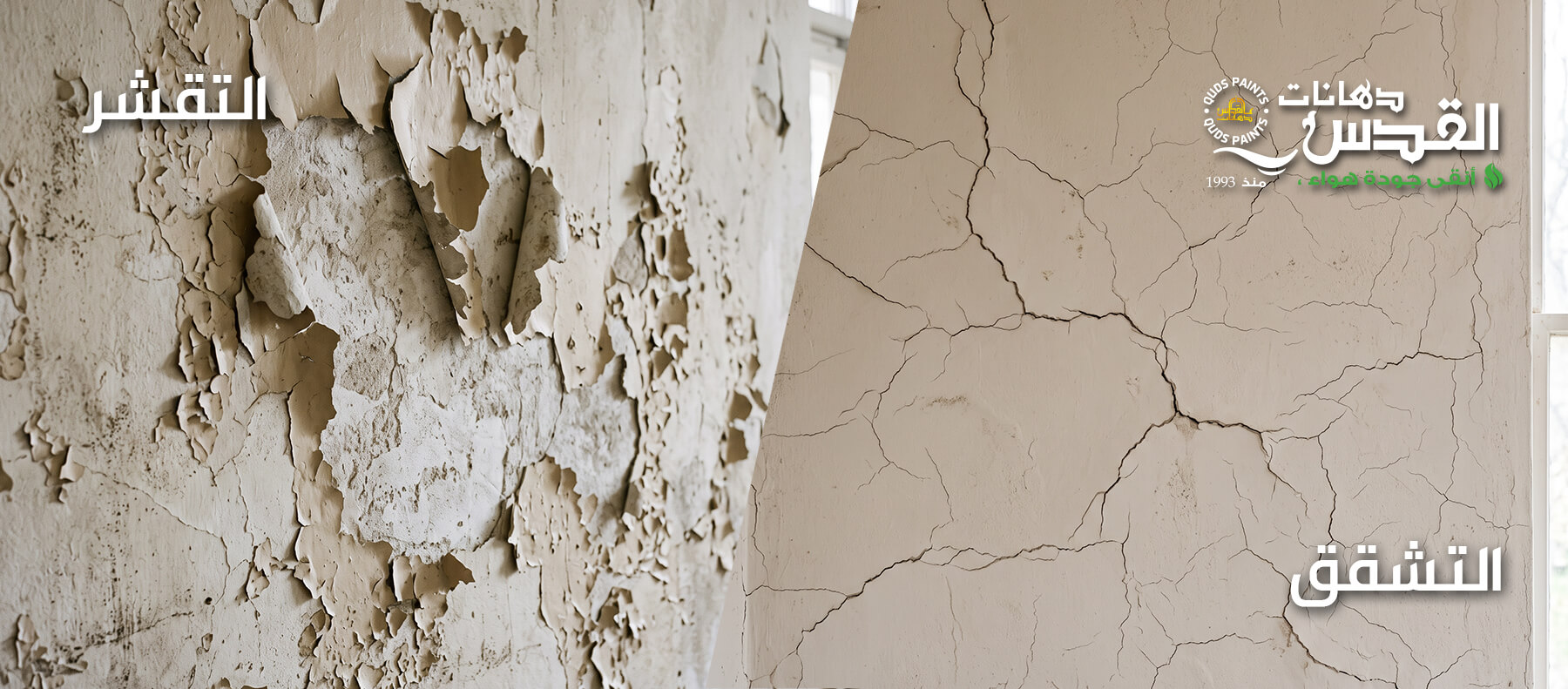
Although both issues may appear similar, each has different causes and requires a different repair method.
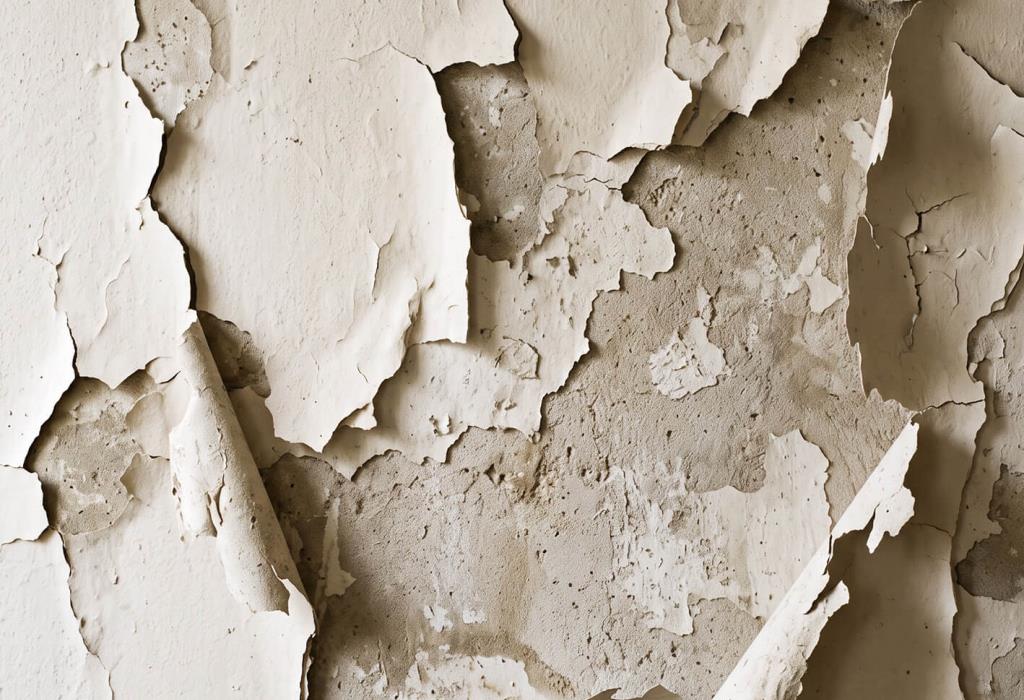
◉ Paint Peeling: The paint film separates from the wall surface, causing it to flake off or peel away in visible layers.
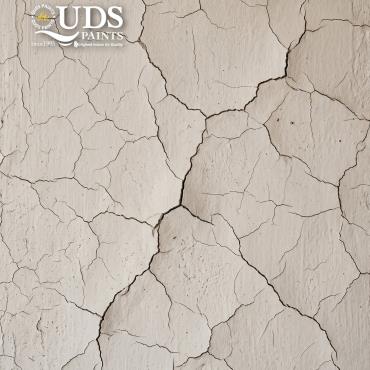
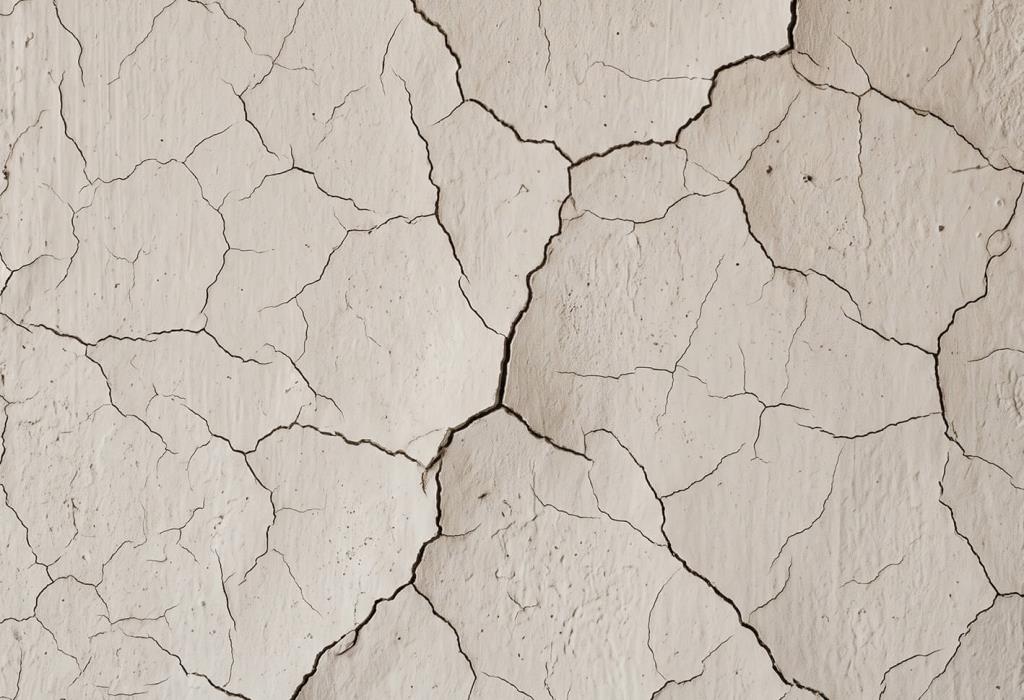
◉ Paint Cracking: The appearance of fine or noticeable cracks on the paint surface due to weak paint layers or movement within the wall.
Correctly identifying the type of problem helps ensure the appropriate repair method is used and provides longer-lasting results.
Main Causes of Paint Peeling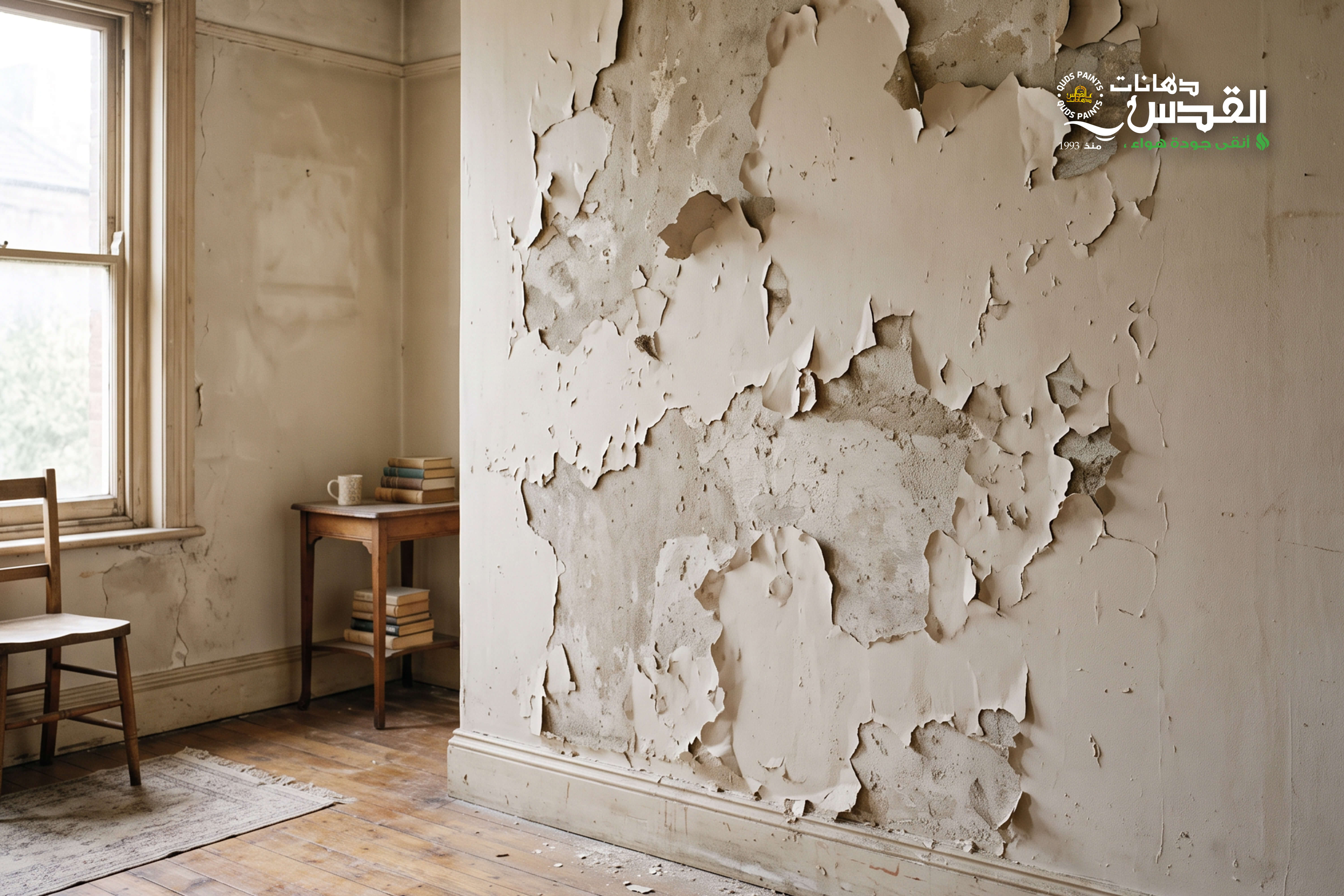
❶ High Moisture Levels Inside the Walls
Moisture is one of the leading causes of paint peeling, especially in areas frequently exposed to water, such as:
✨ Bathrooms
✨ Kitchens
✨ Exterior walls and façades
In many cases, the root cause is hidden water leakage from plumbing or other concealed sources inside the walls.
Therefore, simply removing the peeling paint and repainting the wall is not enough. The underlying cause must first be resolved. If moisture or water leakage is responsible, the source of the leak should be identified and completely repaired before allowing the wall to dry thoroughly prior to repainting.
Once the moisture issue has been resolved, it is recommended to apply suitable waterproofing products to protect the wall against future water penetration. One effective solution is QP Max, which provides outstanding waterproofing performance thanks to its advanced properties:
✅ Resists negative water pressure up to 2.5 bar.
✅ Prevents water leakage even under harsh conditions.
✅ Withstands positive water pressure up to 7 bar.
✅ Features controlled vapor permeability, allowing moisture vapor and gases to escape while protecting the substrate and extending the lifespan of the paint system.
❷ Improper Surface Preparation
Successful painting starts with proper surface preparation. Neglecting this step often leads to poor adhesion and paint peeling. Common mistakes include:
❌ Dust and dirt remaining on the surface.
❌ Loose or poorly adhered old paint.
❌ Oil or grease contamination on the wall.
❌ Failing to apply a suitable primer such as QP Bond before painting.
❸ Using Low-Quality Paint
Low-quality paints often lose adhesion quickly and cannot withstand moisture or temperature changes, causing peeling within a relatively short period.
❹ Painting Over a Damp Surface
Moisture trapped inside the wall prevents the paint from adhering properly, causing it to peel shortly after application.
❺ Continuous Exposure to Sunlight and Heat
Exterior walls are constantly exposed to sunlight and changing weather conditions. Over time, this can weaken the paint film and cause peeling, especially when paints that are not designed for exterior use are applied.
Causes of Paint Cracking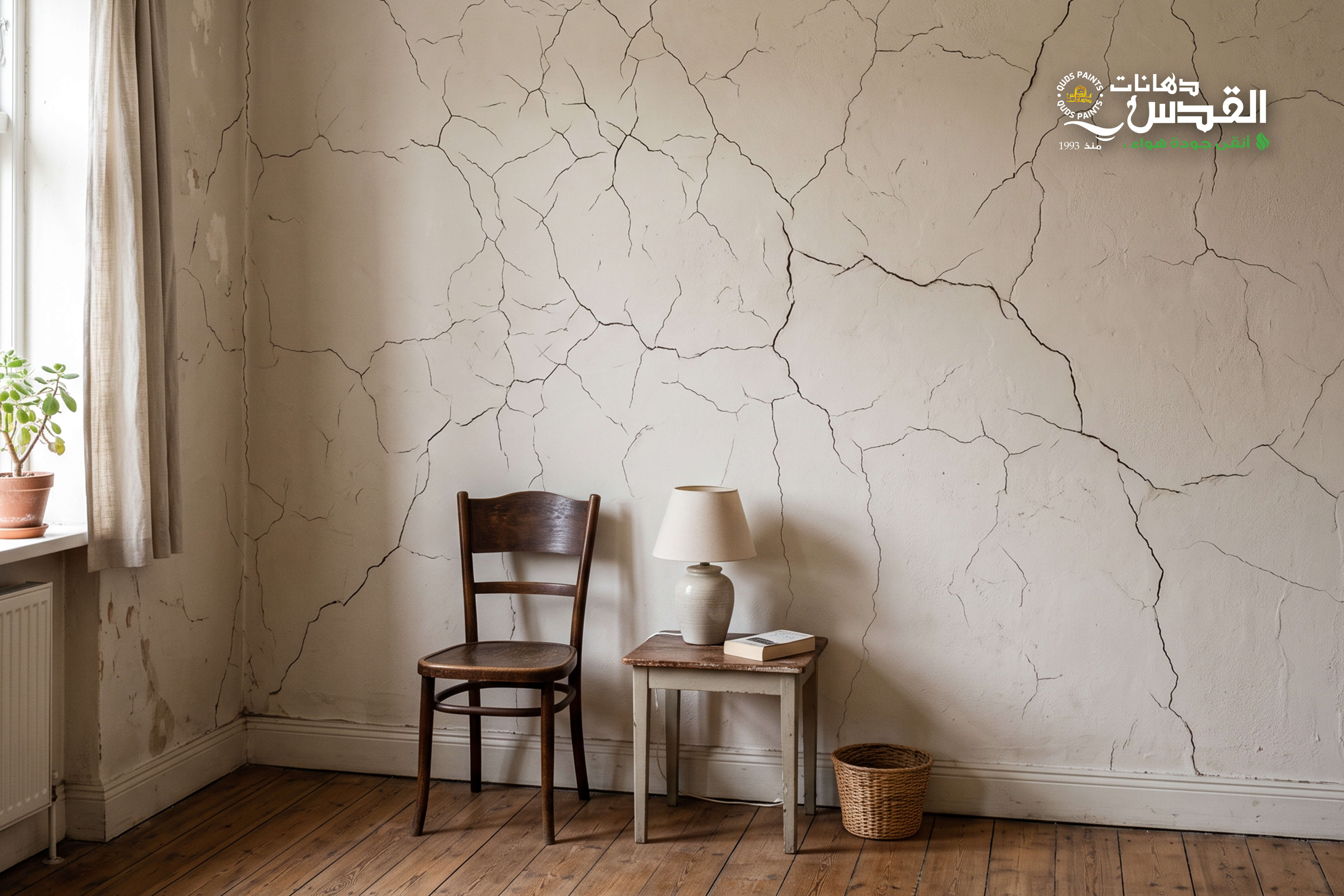
❶ Applying Thick Paint Coats
Applying excessively thick paint coats can lead to shrinkage during the drying process, resulting in cracks appearing over time.
❷ Poor Putty Application
If the putty is not applied correctly or is of poor quality, cracks may appear on the finished surface even when high-quality paint is used.
❸ Wall Movement or Structural Expansion
Temperature fluctuations and the natural movement of the building can cause cracks in the wall, which eventually become visible in the paint layer.
❹ Using Incompatible Materials
Combining different paint systems or using incompatible products may weaken the bond between layers, leading to paint cracking.
How to Repair Paint Peeling
For long-lasting and professional results, follow these steps:
1️⃣ Remove all loose and peeling paint until a sound, stable surface is exposed.
2️⃣ Clean the wall thoroughly to remove dust and dirt.
3️⃣ Identify and fix the root cause of the problem, such as moisture or water leakage.
4️⃣ Apply a primer using QP Bond to improve surface adhesion and ensure stronger bonding for the new paint.
5️⃣ Repaint the wall using a high-quality paint, applying even coats according to the manufacturer's instructions.
How to Repair Paint Cracking
The following steps can effectively repair paint cracks:
1️⃣ Open the cracks slightly and clean them thoroughly.
2️⃣ Apply a primer using QP Bond to ensure strong adhesion between all coating layers.
3️⃣ Repair the cracks using the appropriate filler:
● QP Crack Putty: Specifically formulated for repairing cracks and surface fissures, including hairline cracks, for both interior and exterior applications.
● QP Silky Coat Putty: Used as a finishing coat to achieve a smooth, uniform surface before painting.
4️⃣ Sand the repaired surface until it becomes smooth and level.
5️⃣ Repaint using thin, even coats to achieve the best possible finish.
Tips to Prevent Paint Peeling and Cracking
You can prevent most paint failures by following these essential guidelines:
✅ Repair any source of moisture or water leakage before starting any painting work.
✅ Use waterproofing products such as QP Max whenever additional moisture protection is required.
✅ Choose high-quality paints designed for long-lasting performance.
✅ Apply a primer using QP Bond to improve adhesion.
✅ Use professional putties such as QP Crack Putty and QP Silky Coat Putty according to the type of repair required.
✅ Allow sufficient drying time between coats and avoid rushing the painting process.
Choosing the Right Materials Is the Key to Long-Lasting Paint
A successful paint job is not only about selecting the right color—it starts with proper surface preparation and using a complete coating system that includes waterproofing, primers, fillers, and the final paint finish.
Quds Paints offers a complete range of professional products to help you achieve durable, high-quality painting results, including:
✅ High-performance waterproofing solutions.
✅ Strong bonding primers such as QP Bond.
✅ Repair and finishing putties.
✅ Premium-quality interior paints and exterior paints.
🛠️ Start with the Right Solution from the Beginning
Achieving a durable paint finish that lasts for years depends on more than just choosing a quality paint. It begins with identifying and fixing the root cause of the problem, then applying a complete system that includes waterproofing, primers, fillers, and the appropriate finishing paint.
At Quds Paints, we provide integrated solutions to help you effectively repair paint peeling and cracking—from QP Max for waterproofing and QP Bond for superior adhesion, to our range of putties and premium-quality interior and exterior paints.
✅ Explore the full range of Quds Paints products and find the ideal solution for your project.
📞 Contact our team for expert recommendations based on your wall condition and surface type.